Ghana Advances Nationwide Roll-Out of Net Metering Project
Ghana Advances Nationwide Roll-Out of Net Metering Project
The Government of Ghana is making significant progress towards the nationwide roll-out of the Net Metering Project under the Scaling-Up Renewable Energy Programme (SREP), implemented by the Ministry of Energy and Green Transition (MoEn>). The project is co-financed by the African Development Bank (AfDB), the Climate Investment Funds (CIF), the Swiss State Secretariat for Economic Affairs (SECO), and the Government of Ghana.
The initiative seeks to accelerate the deployment of rooftop solar photovoltaic (PV) systems, improve the integration of renewable energy into Ghana’s electricity distribution networks, and support the country’s renewable energy targets for 2030. Ultimately, the project aims to promote cleaner energy, strengthen electricity distribution infrastructure, and improve the quality of life of Ghanaians.
Net Metering Application Portal Opens the Way for Nationwide Roll-Out
In December 2025, the Ministry of Energy and Green Transition successfully launched the Net Metering Web Application Portal, paving the way for the roll-out of net meters to eligible households, selected public institutions, and business enterprises across the country.
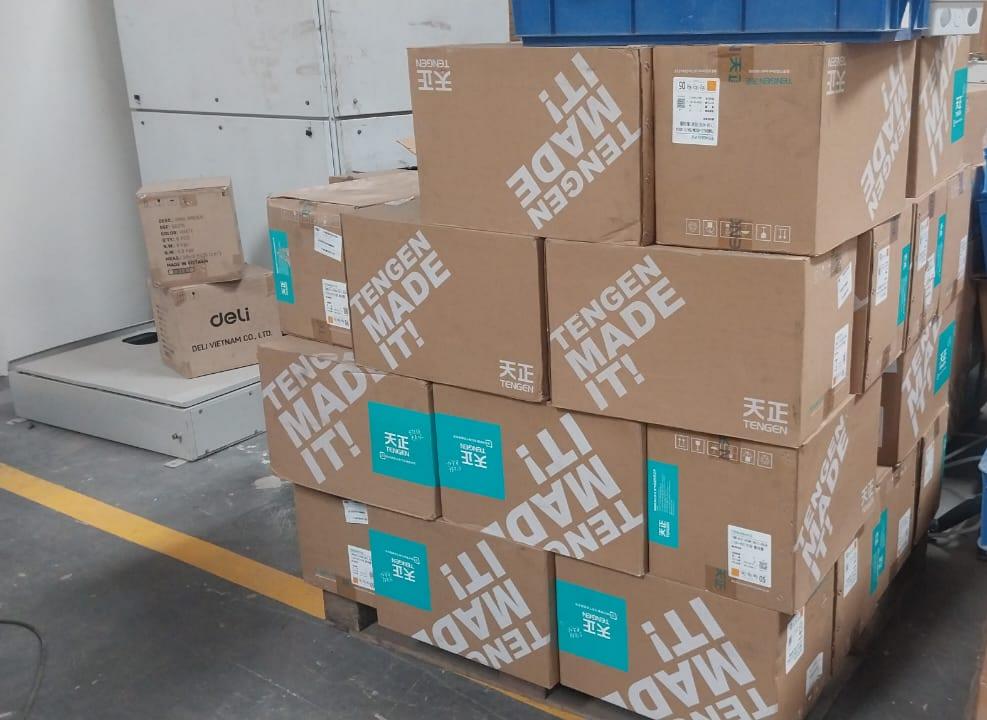
Although the implementation process experienced some procurement delays during the first half of 2026, considerable progress had been made by September 2026. Following a series of engagements with Electricity Distribution Utilities (DUs) and other key stakeholders, the net meters have undergone testing and inspection by the relevant distribution utilities. The meters are now being released from bonded warehouses to the distribution utilities for deployment under the project.
The SREP Project Implementation Unit (SREP-PIU), under the Ministry of Energy and Green Transition, is responsible for overseeing the deployment of the net meters to end-users, with support from the Energy Commission.
First Phase Targets Households, SMEs and Public Buildings
The first phase of the project targets the deployment of approximately 3,600 net meters for private households, small and medium-sized enterprises (SMEs), and public buildings. To support public awareness and encourage participation, the project is preparing to procure media airtime for jingles that will promote the application process and inform prospective beneficiaries about the initiative.
Meanwhile, procurement of rooftop solar photovoltaic systems for public facilities, which constitutes the next phase of implementation, has reached the evaluation stage and is expected to be completed soon.
The net meters, fully funded by SECO, are provided under the project at no cost to beneficiaries and are not for sale. Their deployment will be coordinated through the Electricity Distribution Utilities, primarily the Electricity Company of Ghana (ECG) and the Northern Electricity Distribution Company (NEDCo).
Support for Solar Installation and Access to Financing
Beyond the provision of net meters, the project is working to facilitate access to quality solar installations by prequalifying installers licensed by the Energy Commission to undertake installations under the programme.
The project also provides subsidies to eligible individuals and SMEs installing new solar PV systems with capacities ranging from 2 kilowatt-peak (kWp) to 10 kWp. In addition, financial institutions are being engaged to provide credit facilities to eligible applicants with satisfactory credit standing, helping them acquire solar PV systems and participate in the programme.
These interventions are intended to reduce the financial barriers to adopting rooftop solar energy and encourage greater participation by households and businesses in Ghana’s renewable energy transition.
Building a More Resilient Electricity Distribution Network
As part of its broader efforts to strengthen the integration of renewable energy into the national electricity grid, the project is undertaking studies on the potential deployment of Battery Energy Storage Systems (BESS) within medium-voltage electricity distribution networks.
The proposed systems are expected to help improve grid resilience, mitigate potential network instability associated with increased renewable energy penetration, and demonstrate how battery storage can address distribution network constraints. This work will contribute to efforts to ensure that Ghana’s electricity infrastructure can accommodate a growing share of renewable energy while maintaining reliable power supply.
Looking Ahead
As the project enters the final quarter of 2026, the SREP-PIU is looking forward to accelerating the deployment of net meters to applicants who have submitted applications through the Net Metering Web Application Portal since its launch.
The project also anticipates increased participation from households, SMEs, and other eligible customers of the Electricity Distribution Utilities who are interested in installing rooftop solar PV systems.
Through the combined efforts of the Government of Ghana, development partners, distribution utilities, the Energy Commission, financial institutions, and licensed solar installers, the Net Metering Project is expected to contribute to increased renewable energy adoption, improved electricity network resilience, and Ghana’s transition towards a cleaner and more sustainable energy future.